Choosing the most suitable stainless steel plate is a pivotal decision that marks a turning point in any business project. This decision directly affects the cost, durability of the material, and structuring strength. The guidance provided serves as a map that leads you to make informed decisions starting from the most basic differences between stainless steel plate and sheet metal, followed by the grades and finishes that eventually help you to come up with the right choice.
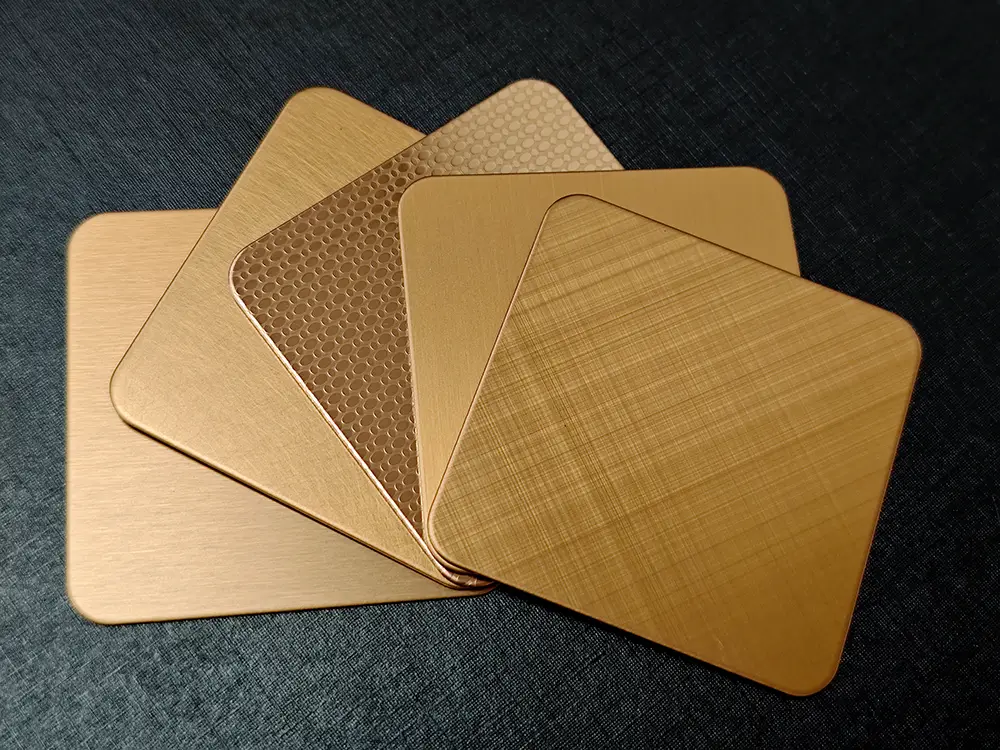
Plate vs. Sheet
Understanding the most basic difference between plate and sheet is the very first step when it comes to purchasing stainless steel. This distinction is more than simply a dimension and it also introduces manufacturing possibilities, determines material applications, and underlines your project costs.
The Defining Factor
The most obvious feature separating plate from sheet is the thickness. Material that’s over 6mm or 1/4 of an inch is referred to as stainless steel plate. Anything thinner is called stainless steel sheet metal. So this isn’t a simple issue of size – it affects the stiffness of the material, its weight, and how it works.
A Buyer’s Comparison
The choice of the right type is vital for business buyers to avoid costly mistakes.
| Feature | Stainless Steel Plate | Stainless Steel Sheet Metal |
| Thickness | Generally > 6mm (¼”) | Generally < 6mm (¼”) |
| Primary Use | Structural support, heavy machinery, pressure vessels, industrial tanks | Architectural panels, enclosures, kitchen equipment, decorative applications |
| Fabrication | Suited for welding, heavy forming | Ideal for bending, stamping, roll-forming, laser cutting |
| Best For | High-strength, load-bearing applications | Projects requiring formability and a fine finish |
The table above indicates that if your project needs material that is thinner, flexible, and directed towards items like panels or detailed designs, stainless steel sheets are the accurate option. We have a great number of alternatives available to fill the specified needs.
Choosing the Correct Grade
Choosing the right grade means choosing the material which is most suited for the application. This checklist is here to guide you and helped you to sort out your doubts that may get you to the correct material for your project.
Four Key Questions
- What level of rust protection do you need?
Rust resistance is the main point. For common outside usage or food packaging, the 304 grade usually is good. However, for coastal, chemical, and high-salt conditions, it can be looked for the grade 316 which actually happens to be designed for this purpose that has 2-3% molybdenum that is the component that stops pitting rust. - What are the strength needs?
The best strength and toughness balance comes from the austenitic grades that are 304 and 316. However, for jobs that require superior hardness where corrosion protection is less of a concern, a 400-series grade like the 430 might do. - Will you weld the plate?
In the event your project is full of welding, it is wise to go for a low-carbon version like 304L or 316L. The “L” stands for low carbon which means less build-up of carbide in the heating affected area during welding. This will keep the rust protection intact. - Does appearance matter a lot?
A good-looking finish is indeed desired by many, so you can think of decorative patterns on stainless steel sheets. As various finishes contribute to the final outlook of the sheet, the very first step is to elect the correct base grade.
Over the Basics
The successful operation of a project is ensured by the accurate detection of every single detail that most people tend to overlook. These factors are the ones that convert a regular standard to a high-performance, effective solution.
Function Meets Finish
- 1 Finish: Unpolished cold-rolled and pickled surface rough texture best suited for the industrial and construction area applications that are not focused on a nice appearance.
- 2B Mill Finish: A semi-bright and smooth, cold-rolled finish that operates as a starting point of flexibility for most applications.
- 4 Brushed Finish: A satin finish with parallel polished lines, excellent for concealing fingerprints and small scratches in public places and on appliances. It is a popular alternative for decorative plates in stainless steel.
- 8 Mirror Finish: A highly shiny, non-directional finish used for building accents and design features.
Fabrication Experience
Through providing assistance in the completion of thousands of projects, we discovered that austenitic stainless steels like 304 tend to be underestimated when it comes to hardening due to working. That is to say you require lower speeds and steady feeds to prevent tool wear during machining. For welded projects, we constantly stress to choose an ‘L’ grade. We have witnessed success or failure on projects largely due to whether the correct choice of 316L over standard 316 was made from the very beginning.
Supplier Certification
In every business or industrial project, your supplier should provide you with the complete Material Test Reports (MTRs). This official paperwork along with a signature, that comes with the material, is a quality control procedure thus ensuring compliance with the international standards, like ASTM, and proving its makeup and quality, of course, some applications like pressure vessels, aerospace, or structural parts call for it.
The Right Choice
The initial and the most important choice in a successful project is making the right material choice.
Your Partner in Steel
The complete process of making the right stainless steel plate selection consists of three main steps: confirming that you really want plate rather than sheet, following up our checklist to select the right grade and considering the finish and supplier certification.
To get your project to the targeted performance level and budget contact us for expert counseling and a competitive quote for your specific stipulations.