
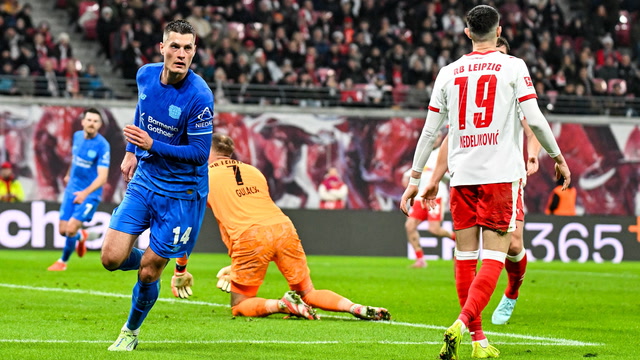
Congested fixture periods in the Bundesliga create a distinct competitive environment where physical load, squad depth, and tactical restraint matter more than seasonal averages. When matches are played every few days, performance patterns shift in predictable ways. Teams that look dominant across a normal rhythm may struggle, while structurally efficient sides often gain relative advantage. Understanding these shifts requires examining how congestion alters decision-making, intensity, and risk tolerance across the league.
Why Fixture Congestion Changes Bundesliga Match Dynamics
The Bundesliga is built on intensity, pressing, and vertical play. When recovery windows shrink, these strengths become liabilities if not managed carefully. Players have less time to restore neuromuscular readiness, which directly affects sprint volume, duel success, and pressing coordination.
As a result, matches during congested periods tend to slow down structurally, even if tempo appears high in isolated moments. Teams become more selective about when and how they exert pressure.
Squad Depth as a Structural Advantage
Depth is not only about having more players, but about having functionally interchangeable profiles. Teams with depth across similar tactical roles can rotate without altering behavior.
Effective rotation usually includes:
- Like-for-like replacements rather than stylistic changes
- Preserved spine in defense or midfield
- Controlled minutes for high-intensity positions
Teams lacking this depth often face a choice between fatigue accumulation and tactical compromise, both of which reduce consistency.
Rotation Patterns and Their Tactical Consequences
Rotation changes more than personnel. It affects spacing, pressing triggers, and communication timing. Even small changes in the back line or midfield can disrupt pressing chains.
The table below illustrates common rotation approaches and outcomes:
| Rotation Strategy | Short-Term Effect | Match Impact |
| Minimal rotation | Physical decline | Late-game drop |
| Full rotation | Structural instability | Early concessions |
| Partial rotation | Balanced load | Most stable |
Partial rotation tends to preserve structure while managing fatigue, which explains its prevalence among top-performing teams.
Pressing Intensity Under Physical Stress
High pressing defines many Bundesliga teams, but it is rarely sustainable across short turnarounds. During congested schedules, pressing becomes situational rather than constant.
Teams often adjust by:
- Delaying pressure into mid-blocks
- Reducing counterpress duration
- Prioritizing shape recovery over ball wins
These adjustments reduce transition chaos but also lower shot volume, influencing match outcomes in subtle ways.
When Pressing Remains High
Some teams maintain aggressive pressing even under congestion, but only when supported by rotation and clear triggers. Without those safeguards, pressing intensity usually collapses after the first half, leading to exposed defensive phases.
Increased Variance in Match Outcomes
Congested periods increase variance. Fatigue-driven errors, late goals, and sudden momentum shifts become more common. Matches that appear controlled for long stretches can flip rapidly.
This variance does not affect all teams equally. Sides that rely on precision passing or coordinated off-ball movement are more vulnerable than those built on direct play and defensive compactness.
Game-State Management Becomes Central
Managing scorelines becomes a priority during fixture congestion. Teams leading matches earlier are more likely to slow tempo deliberately and reduce risk exposure.
Common game-state behaviors include:
- Lower defensive lines after scoring
- Reduced full-back advancement
- Increased use of long clearances
These choices sacrifice aesthetic control in favor of energy conservation and result protection.
Using Congested Schedule Analysis in Match Evaluation
For analytical environments such as ufa168 เข้าสู่ระบบ, evaluating Bundesliga matches during congested periods requires adjusting baseline expectations. Instead of relying on seasonal pressing metrics or average xG, analysts focus on rotation signals, recent minute loads, and opponent recovery symmetry. When one team enters a match with preserved structure and the other with cumulative fatigue, the competitive balance shifts even if league position suggests otherwise. This context helps explain unexpected results and avoids misreading fatigue-driven outcomes as form decline.
Common Misinterpretations During Fixture Pile-Ups
A frequent error is treating poor performance during congestion as a permanent downturn. In reality, many teams rebound once normal recovery cycles return. Another misread involves overvaluing possession dominance, which often reflects passive control rather than attacking threat during fatigue-heavy periods.
Failing to separate structural fatigue from tactical weakness leads to inaccurate conclusions.
Summary
Bundesliga performance during congested fixture periods is shaped by recovery limits, squad depth, and tactical restraint. Pressing intensity declines, rotation quality becomes decisive, and variance increases across results. Teams that preserve structure while managing physical load consistently outperform those that chase normal intensity levels. Understanding these dynamics is essential to accurately interpreting matches played under compressed schedules.