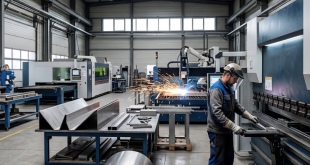
Engineers frequently analyze different assembly techniques to determine the most effective method for multi-material component production. When designing parts that require a combination of rigid substrates and elastomeric materials, it is important to evaluate the specific mechanics of overmolding vs insert molding. Each process provides distinct functional advantages depending on the final application requirements. By reviewing these methods, product development teams align their manufacturing strategy with the performance needs of the intended hardware.
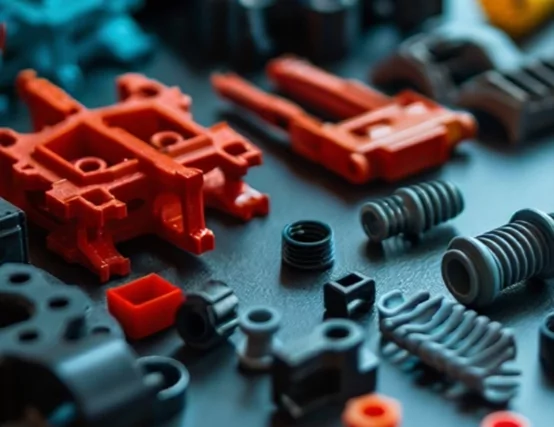
Technical Characteristics of Insert Molding
This process involves placing a pre-manufactured part, often referred to as an insert, into an injection mold cavity. Molten plastic is then injected around this insert to create a unified component. The primary function of this approach is to integrate metallic or plastic elements into a final structure, which provides increased durability and precise alignment. Livepoint Tooling manages these operations by ensuring the insert remains stationary during the injection phase, which prevents part misalignment.
When evaluating overmolding vs insert molding, one observes that insert molding remains effective for adding threaded fasteners, electronic contacts, or other rigid components directly into a molded frame. This method allows for the creation of complex assemblies that would otherwise require secondary joining processes. Because Livepoint Tooling utilizes precise clamping systems, they ensure the integrity of the insert during the high-pressure injection cycle. This structural stability is essential for components used in demanding industrial or automotive environments.
Mechanics of the Overmolding Process
The process known as overmolding differs by applying a secondary material layer onto a previously molded substrate. This technique is often used to add soft-touch grips, ergonomic features, or vibration-damping surfaces to a harder base material. When project teams analyze the differences between insert molding vs overmolding, they recognize that overmolding focuses on enhancing the tactile and functional properties of an existing part.
Manufacturers apply this method to create a chemical bond between the two materials. This adhesion is critical, as it ensures that the layers do not delaminate during use. Designers often utilize this approach for handheld tools or medical devices where user comfort and environmental sealing are required. By controlling thermal conditions, the molding process ensures that the secondary layer bonds effectively with the substrate. This integration improves the product’s performance and ergonomic profile, providing a finished part that satisfies specific user interface requirements.
Assessing Project Requirements for Material Integration
Making a determination between these two manufacturing styles depends on the desired material compatibility and the complexity of the part geometry. In many cases, the goal involves reducing the total number of parts in an assembly to minimize costs and improve manufacturing speed. Both overmolding vs insert molding offer pathways to achieve these efficiencies by replacing mechanical fasteners or adhesive bonding with a single-step or two-step molding cycle.
Data regarding material shrinkage rates and thermal expansion properties inform the design of the mold tooling. When engineers have this information, they adjust the mold features to account for the unique behavior of each plastic resin. Consistent manufacturing quality relies on the application of these technical principles throughout the production run. By analyzing the structural demands of the final component, project stakeholders identify the process that provides the necessary mechanical properties and assembly benefits. Through rigorous attention to these technical parameters, the manufacturing objectives are met with efficiency and focus on component performance.