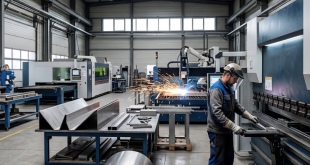
For feed mills pursuing GMP+ B2 certification, careful attention must be paid to hygiene, layout planning, pest control measures, and documentation systems. Feed producers need practical engineering solutions that connect production requirements with certification expectations while maintaining efficient operations and consistent product quality.
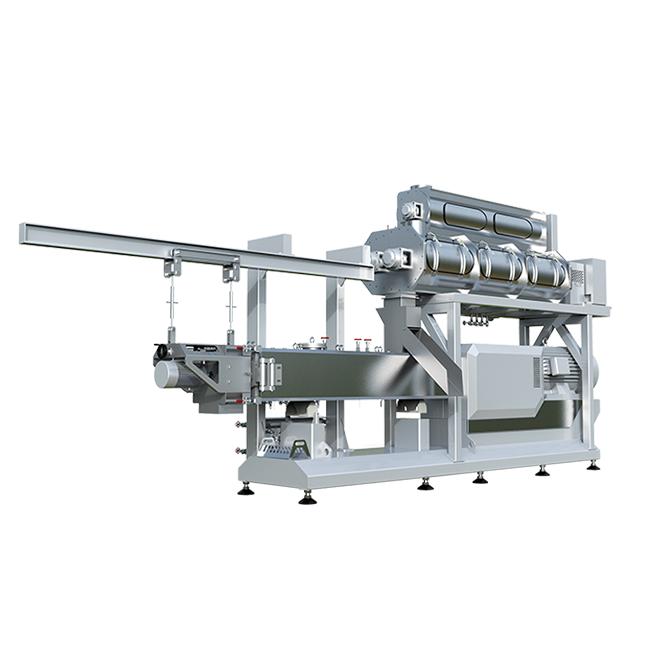
Feed Machinery Design For GMP+ B2 Compliance
A successful GMP+ B2 project starts with organized planning of production areas, equipment arrangement, and operational procedures. The facility design should support clear material movement, controlled hygienic conditions, and effective management practices throughout the entire manufacturing process.
Modern feed machinery must be arranged according to production flow and hygiene requirements. Equipment placement influences cleaning access, material handling efficiency, and overall factory management. Proper planning helps enterprises create processing environments that support certification goals and daily operational needs.
GMP+ B2 certification requires attention to multiple aspects of factory design, including production organization, sanitation practices, and documentation control. Project teams evaluate these factors during design stages to create facilities that support safe feed manufacturing and reliable quality management.
Factory layouts should separate different operational zones and provide suitable conditions for maintenance and inspection. Engineers review process connections, equipment positions, and workflow patterns to reduce risks and support a structured approach to feed mill operation.
Documentation And Process Control Requirements
Proper management procedures are essential for the effective operation of an animal feed making machine system. Equipment performance, production records, and operational documents contribute to effective quality control. Companies need coordinated systems where machinery and management practices support certification requirements.
Documentation plays an important role in GMP+ B2 preparation because records help verify production activities. Enterprises should organize information related to operations, maintenance, and hygiene procedures to maintain traceability and support internal management activities.
FAMSUN provides engineering solutions for feed processing facilities. They support customers with project planning, equipment integration, and technical services. They develop solutions based on factory requirements while considering production processes, layout arrangements, and practical operational conditions.
Clear documentation systems help production teams monitor daily activities and maintain consistent procedures. When factory design and management records work together, companies can improve process control and create stronger foundations for certification compliance.
Hygiene And Pest Control In Factory Design
Hygiene planning is a key part of GMP+ B2 facility development. Production areas require designs that support cleaning activities, reduce contamination risks, and maintain suitable working conditions for manufacturing operations across different processing stages.
An animal feed making machine installation requires consideration of surrounding conditions, access areas, and maintenance requirements. Proper equipment arrangement helps operators perform inspections and cleaning tasks more effectively while supporting stable production performance.
Pest control measures should be considered during facility planning because factory structures influence sanitation management. Engineers evaluate building arrangements, production zones, and operational procedures to help companies maintain controlled manufacturing environments.
FAMSUN works with partners through integrated engineering services. They provide solutions that combine equipment systems and project requirements, helping enterprises organize production facilities with practical designs that address operational needs and support feed manufacturing objectives.
Optimizing Layout For GMP+ B2 Standards
Feed mill layout optimization focuses on improving material flow, equipment relationships, and production organization. A well-planned facility can support smoother operations by reducing unnecessary movement and creating clearer connections between different processing sections.
The arrangement of a feed machinery system influences workflow efficiency and hygiene management. Engineers consider receiving areas, processing sections, storage locations, and finished product handling when preparing layouts for commercial feed production facilities.
Material flow diagrams help project teams review transportation routes and equipment connections. These evaluations support practical decisions about factory organization, allowing manufacturers to create layouts that align with GMP+ B2 expectations and operational requirements.
A GMP+ B2 compliant design requires cooperation between engineering planning and production management. Companies benefit from reviewing technical details early because layout decisions affect maintenance, sanitation, documentation procedures, and long-term factory operation.
Engineering Support For Certified Feed Mills
Coordination between equipment selection, factory design, and production planning is essential for any animal feed making machine project. Engineers evaluate customer requirements to create systems that support production, hygiene, maintenance, and compliance-related management practices.
Feed manufacturers often need solutions that balance production capacity, hygiene control, and operational flexibility. Proper engineering support helps companies organize equipment systems and facility structures according to specific production goals and certification requirements.
FAMSUN offers integrated project services for feed industry applications. They support enterprises with engineering experience and equipment solutions, helping customers address factory planning needs. They focus on coordinated systems where machinery, layout, and process requirements work together.
GMP+ B2 certification preparation involves more than equipment installation because factory management and documentation also affect compliance. Companies require complete planning methods that connect physical infrastructure with operational procedures and quality management activities.
Factory conditions and production objectives should guide the selection and arrangement of the animal feed making machine system. Engineers analyze process requirements, equipment arrangements, workflow connections, and hygiene considerations to create practical solutions for raw material handling, processing, and finished-product management.
Conclusion
Designing a feed mill for GMP+ certification requires coordinated planning of layout, hygiene, pest control, documentation, and equipment systems. Facility design needs to accommodate material flow, cleaning and maintenance, pest prevention, contamination control, and documented feed safety procedures. This approach enables manufacturers to align physical infrastructure with applicable GMP+ requirements.