
Design recognition and return on investment (ROI) require different evidence. An award establishes a design’s recognized status, while commercial returns depend on paid use, ownership costs and the resources consumed between bookings. A purchasing discussion becomes more useful when it connects a specific design feature with a recurring operational task.
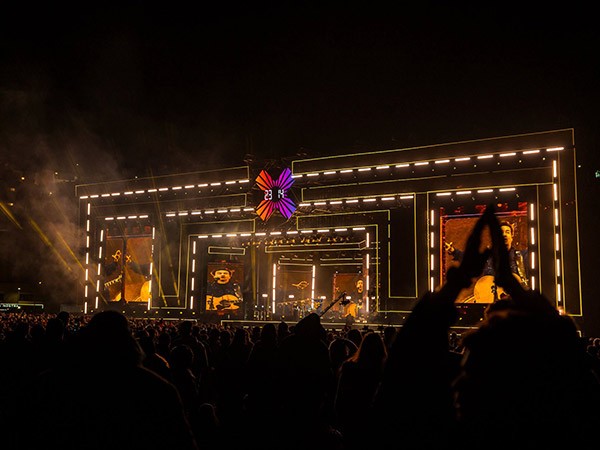
MAir, a YES TECH platform, has received an iF Design Award. For the LED video wall rental business, that design recognition invites examination of the equipment rather than supplying a profit forecast. The relevant question concerns repeatability: which parts, handling arrangements and assembly functions can serve successive projects, and under what conditions does that reuse produce an economic benefit?
Find the Repeatable Work Inside the Design
Reusable design becomes observable through recurring tasks: replacing a module, locating a cabinet, preparing transport equipment or configuring another stage layout. Each task has an operational measure, such as spare-part categories, maintenance effort or the amount of handling involved. These measures connect a physical feature with activity that can be compared over successive bookings.
MAir’s 500 by 250 mm modules are interchangeable between left and right positions. Within the applicable configuration, a suitable spare can therefore cover either position instead of requiring separate positional categories. That is a specific inventory mechanism, not evidence that modules are interchangeable across every pixel pitch, cabinet family or rental product.
Rear modular servicing creates another repeatable pathway. Accessible components can be replaced within the assembly, while captive screws remain associated with the serviced parts.
Maintenance records can distinguish the component changed, the labor involved and the time before the equipment returns to service. Those details connect service design to asset availability rather than assuming that modular construction prevents faults.
Connections, Transport and Configuration Reuse
Repeatable connections matter across successive installations. Locating pins, magnetic pre-hanging, the curved blade lock and the automatic lower latch address alignment and connection tasks on MAir.
Each LED video wall rental operation can record how those actions repeat under comparable conditions. Familiar mechanisms create an opportunity for consistent work, while actual labor records establish the commercial effect.
Transport hardware belongs to the same reusable equipment system. Each dolly carries six cabinets, and dollies can be stacked and connected. The Air Frame folds from 502 mm deployed to 115 mm for storage. These features describe how the equipment occupies transport and storage space repeatedly; vehicle capacity, packaging and handling arrangements determine the practical outcome.
A video wall for events may also need different forms across its working life. The MAir frame platform accommodates transparent and solid configurations, together with curved connections, right-angle forms and vertical offsets.
These are available configuration choices rather than proof of additional bookings. Modules, connections and transport hardware collectively establish the tasks the asset can repeat across suitable projects.
Test the Return Against Real Rental Cycles
Without sufficient demand for compatible projects, reusable capability can remain idle. A fleet might possess several configuration options yet receive mostly requests that require different equipment. This counterexample matters because versatility changes what an asset can do; the booking pattern determines how often that capability becomes paid work.
The ownership account includes the purchased cabinets and required accessories, spare stock, maintenance, storage, transport and labor. Revenue belongs alongside those costs for the same observation period. Omitting recurring expenses can make a versatile design appear more profitable than its operating record supports, even where individual maintenance or handling tasks have become simpler.
Any LED video wall rental comparison also needs similar operating conditions. A short, accessible installation and a complex outdoor production do not provide interchangeable labor observations. Equipment configuration, deployed area, site access and maintenance events give each record context. Repeated measurements can then reveal whether a change persists beyond a particularly easy booking.
Utilization brings demand back into the calculation. A video wall for events that suits several creative briefs has a broader possible role, but the rental company still needs customers requesting those roles at commercially workable rates. Additional configuration work or accessory requirements also belong in the record, rather than disappearing behind a general claim of flexibility.
A Return Demonstrated Through Reuse
Availability and utilization also measure different things. Availability describes whether equipment is ready for deployment; utilization describes whether that ready equipment is actually hired.
Easier maintenance may support the first without improving the second. Keeping these records separate prevents a reduction in workshop downtime from being counted as extra rental income unless a confirmed subsequent booking used the extra time that became available.
The useful test compares the proposed reuse benefit with what actually happened across bookings. Fewer position-specific spare categories, repeatable connection work or broader deployment options may support the hypothesis; idle inventory, unsuitable demand or recurring repair costs may weaken it. An award supplies none of the missing revenue, payback or margin figures.
If repeated deployments use the platform’s shared parts and configuration options without disproportionate operating costs, the reuse argument gains support. If those capabilities remain unused, the award alone cannot rescue the investment case.
MAir’s design provides concrete mechanisms to examine when assessing a video wall for events, with each rental cycle adding evidence about their practical value. Its economic value remains a question of demonstrated reuse across real rental cycles, where revenue and ownership costs can be assessed together.