
A productive dental practice depends on hundreds of small decisions made throughout the day, from arranging instruments before an appointment to keeping the treatment area clean between patients. Equipment contributes to these routines through its layout, adjustability, storage options, and ease of maintenance.
Understanding how to use a Roson A3 dental chair effectively involves more than learning its controls; it also requires considering how the surrounding workspace supports clinical procedures, staff coordination, and patient comfort. With thoughtful setup and consistent operating habits, a practice can make better use of its equipment without adding unnecessary complexity to everyday work.
Organize the Treatment Area Around Clinical Tasks
The position of frequently used supplies can influence how smoothly a procedure progresses. Instruments and disposable materials should be arranged according to the sequence of treatment, with commonly needed items accessible without excessive reaching or turning. This arrangement helps clinicians maintain attention on the patient while assistants can anticipate the next stage of the procedure. A brief review of the workspace at the beginning of each session can reveal misplaced supplies or obstacles that interrupt movement.
Storage deserves particular consideration in compact treatment rooms. An overcrowded work surface makes cleaning more difficult and can increase the chance of supplies being misplaced. Separating frequently used items from reserve stock helps keep the immediate treatment area manageable, while clearly designated storage locations make restocking easier. The layout should also distinguish clean supplies from used instruments and waste, following the clinic’s infection-control procedures.
Integrated accessories can support this organization when they are positioned thoughtfully. The goal is not to place every possible item within arm’s reach, but to create a workspace in which each tool has a logical location. Staff should periodically review the arrangement as treatment needs change, especially when different clinicians share the same room. Consistent organization helps dental units function as part of a coordinated clinical environment rather than as isolated pieces of equipment.
Improve Positioning and Staff Ergonomics
Patient positioning affects visibility, access, and comfort during treatment. Chair height, backrest angle, and head support should be adjusted to suit the procedure and the patient’s physical needs. A useful setup gives the clinician a clear view of the working area without requiring prolonged bending or awkward shoulder positions. Staff should make adjustments before beginning delicate tasks whenever possible, reducing interruptions once treatment is underway.
Ergonomics also depends on the relationship between the chair and the clinician’s stool, instrument delivery system, and assistant’s position. Even adjustable equipment can be uncomfortable if surrounding components are placed poorly. A dentist who repeatedly twists to retrieve instruments may experience unnecessary physical strain over a busy schedule. Periodic observation of actual working posture can help identify these issues more accurately than relying on equipment specifications alone.
Different procedures call for different configurations. Examinations, restorative work, and longer treatments may require changes in chair angle, lighting, and instrument access. Staff should become familiar with the available adjustments and establish practical routines for common procedures. A consistent approach to positioning can reduce setup time while preserving flexibility for individual patient needs.
Use Storage Features to Support Cleanliness and Efficiency
Storage accessories can make a difference in how supplies are organized, particularly in rooms where counter space is limited. Their value depends on durability, ease of cleaning, accessibility, and how well they fit the clinic’s existing workflow. Materials should tolerate the cleaning products approved for the relevant surface, and designs should avoid unnecessary crevices that make routine hygiene more difficult. Storage should also be used in accordance with the clinic’s separation and handling procedures.
A well-planned storage system helps staff distinguish frequently used supplies from items that need replenishment. Clear placement reduces the time spent searching for materials and makes it easier to notice low stock before it disrupts an appointment. However, storage arrangements should not encourage overloading or obstruct access to controls, moving parts, or emergency pathways. Practical organization always needs to account for both convenience and safe operation.
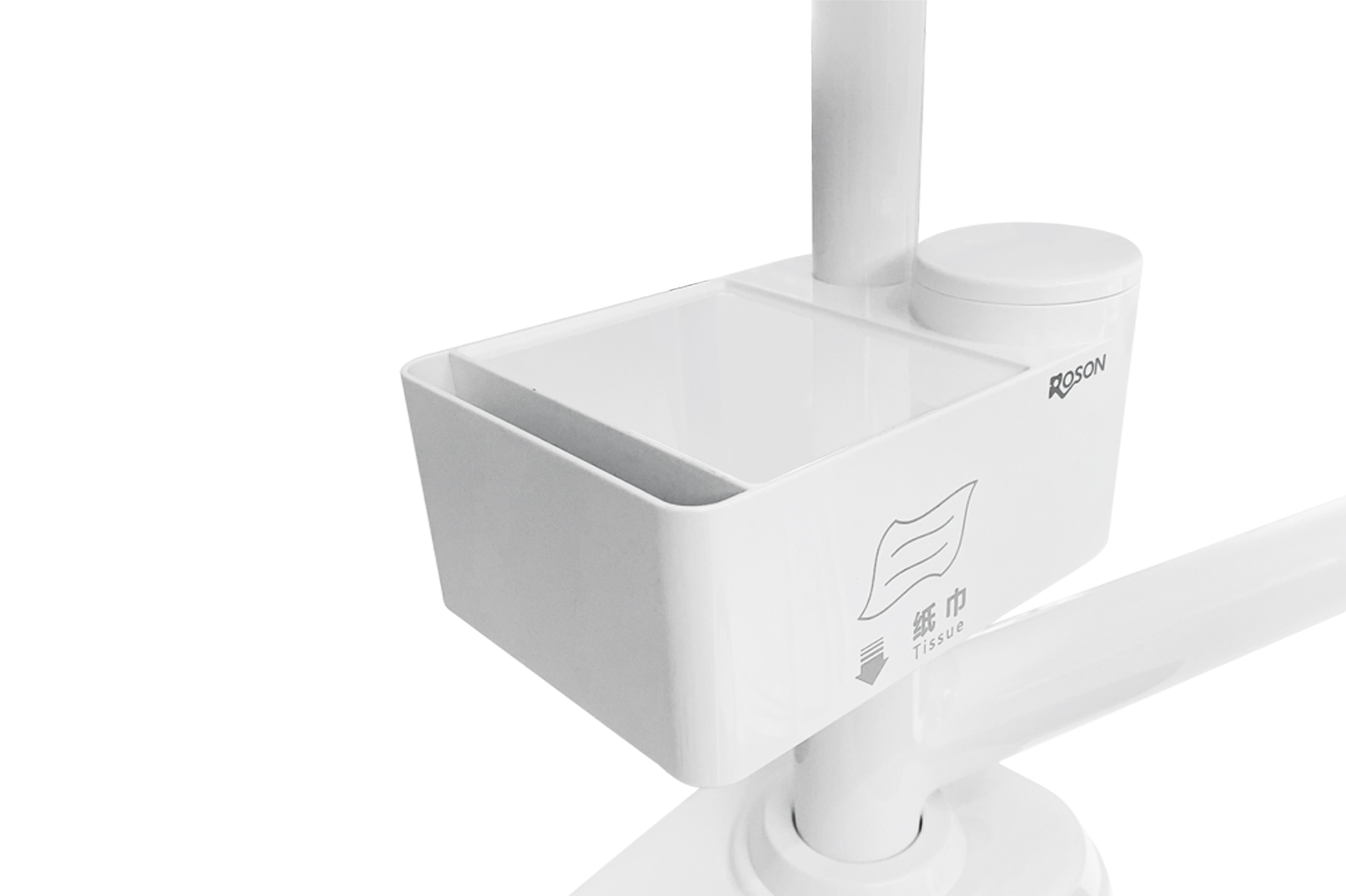
Roson’s Flagship Model A3 includes a 5-in-1 multifunctional tissue box with dual-layer storage, durable and eco-friendly materials, impact- and wear-resistant construction, and a slide-mouth design intended to simplify installation. These features illustrate how a small accessory can contribute to supply organization in a clinical workspace. A practice evaluating this type of component should confirm its dimensions, mounting method, cleaning compatibility, and suitability for the intended supplies before incorporating it into daily routines.
Establish Maintenance Habits That Preserve Performance
Routine care helps maintain equipment function and identify small issues before they interfere with appointments. Cleaning should follow the manufacturer’s instructions, including guidance on suitable disinfectants, surface contact times, and components that require special handling. Staff should avoid assuming that every material can tolerate the same cleaning agent, since incompatible chemicals may cause discoloration or premature wear.
Daily visual checks can also support reliable operation. Staff may inspect accessible surfaces, upholstery, controls, visible connections, and accessories for damage or unusual changes. Any fault involving electrical systems, chair movement, or other technical components should be handled according to the manufacturer’s guidance and referred to qualified service personnel when required. Improvised repairs can create additional risks and may affect warranty coverage.
Conclusion
Getting more value from clinical equipment rarely depends on one dramatic improvement. Small adjustments to storage, positioning, cleaning, and maintenance can collectively make a treatment room easier to manage and more comfortable to work in.
The Roson A3 dental chair can be assessed within this broader operational context, with attention to how its accessories and configuration fit the practice’s real needs. By reviewing daily routines and maintaining clear procedures, clinics can make informed use of equipment from Roson while supporting consistent patient care and a well-organized working environment.