
A field review of a raised level base, runoff path, ventilation, and year-round access reveals that in that setting, success means limiting moisture, sun, wind, and temperature damage to garden equipment. Making a longer-lasting storage system with fewer surprise repairs realistic requires one safeguard.
Visual appeal should follow a practical check for poor drainage, missing anchors, or condensation inside a closed shell. Avoiding poor drainage, missing anchors, or condensation inside a closed shell requires a final check: the planned routine of organized protection through changing seasons exposes the practical question the household needs to answer.
Planning for organized protection through changing seasons brings a practical point forward: a useful comparison of Backyard Office Shed choices starts with a raised level base, runoff path, ventilation, and year-round access. All-weather tool storage raises a specific question.
A shorter feature list is acceptable when it still produces a longer-lasting storage system with fewer surprise repairs. All-weather tool storage aligns its practical boundaries with a raised level base, runoff path, ventilation, and year-round access; the arrangement begins to make sense once tools stay off the floor and air can move around stored items. With those practical conditions established, the household can then determine whether a SUNJOY storage shed fits the property’s exposure, drainage, ventilation, and access requirements.
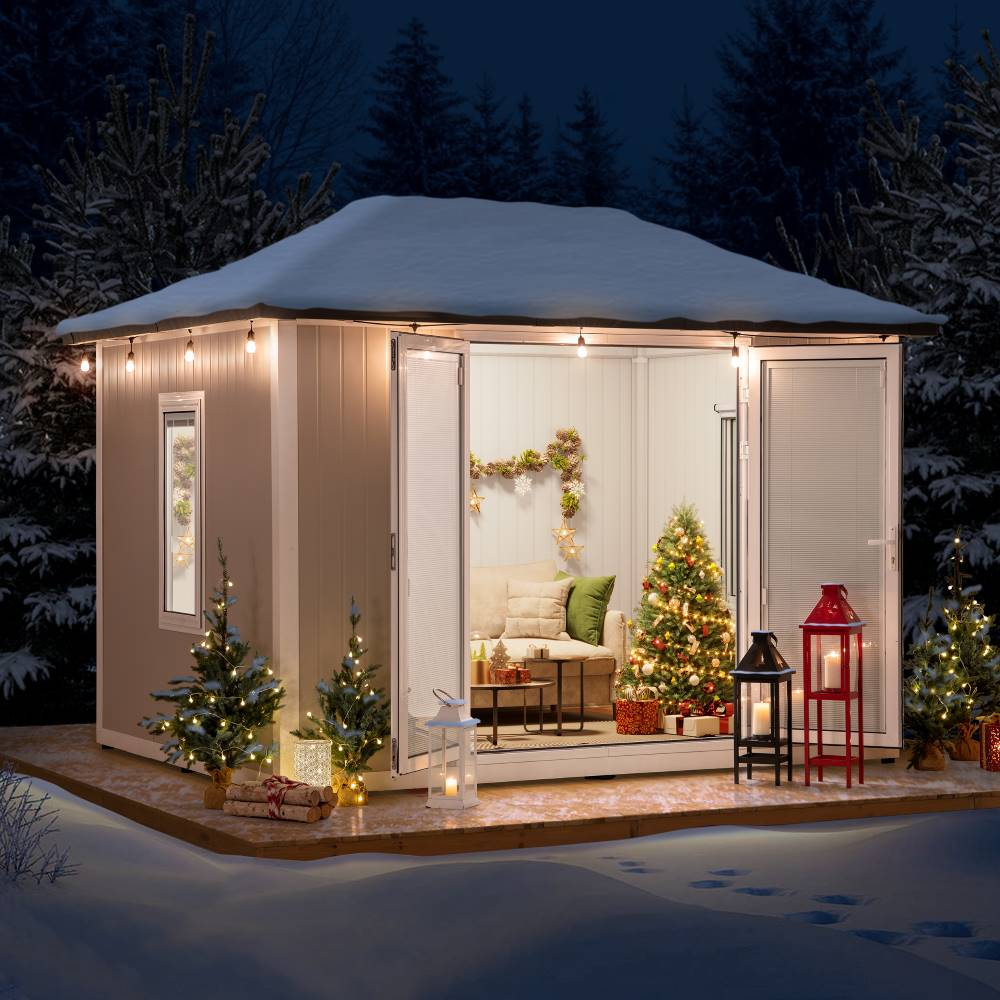
Build Weather Resistance from the Ground Up
the expected use—organized protection through changing seasons—provides the lens for comparing SUNJOY and a 10 by 12.6 foot backyard shed with operable windows, a lockable door, vents, and a galvanized-steel gable roof. Comparing options for all-weather tool storage brings the evidence into view: before one model moves ahead.
Its information should answer questions about a level foundation, anchoring, weatherproofing, power, insulation, and ventilation for the intended use. The priority of organized protection through changing seasons makes one point clear: the strongest candidate is the one that can produce a longer-lasting storage system with fewer surprise repairs without creating new site problems.
For organized protection through changing seasons, The footprint is only one part of the fit check; a raised level base, runoff path, ventilation, and year-round access also affects whether the plan can support limiting moisture, sun, wind, and temperature damage to garden equipment. During organized protection through changing seasons.
The household can treat styling as a second-stage decision after confirming the objective of limiting moisture, sun, wind, and temperature damage to garden equipment. All-weather tool storage shapes the project; a walk-through with the furniture positions marked can reveal whether tools stay off the floor and air can move around stored items.
Control Moisture Inside the Shed
The objective of limiting moisture, sun, wind, and temperature damage to garden equipment sets the standard: the specification review should now answer a direct question: can the product meet the objective of limiting moisture, sun, wind, and temperature damage to garden equipment?
All-weather tool storage begins after the household documents a raised level base, runoff path, ventilation, and year-round access; During later ownership, roof, seal, vent, coating, and anchor inspection will influence convenience as much as the initial setup.
Achieving a longer-lasting storage system with fewer surprise repairs requires a direct check: the decision becomes clearer after a specific purpose has been assigned to the weather resistant sheds choice. For organized protection through changing seasons, its usefulness is not abstract.
Its enclosure can protect tools when the foundation, runoff, ventilation, roof, doors, and anchors work as one weather-control system. For a longer-lasting storage system with fewer surprise repairs, that connection keeps the selection tied to a genuine household need.
Planning for organized protection through changing seasons gives all-weather tool storage its intended result: performance depends partly on the construction approach: the structure uses a galvanized steel frame with exterior fiber-cement and engineered-wood elements.
Use Seasonal Checks to Catch Small Problems
A longer-lasting storage system with fewer surprise repairs remains the goal; before choosing from the weather resistant sheds category, the household should return to the measurements and the way the space will actually be used. Comparing options for all-weather tool storage brings the evidence into view.
Evidence of fit comes from agreement between the product information and access, foundation or placement, exposure, operation, and maintenance expectations. The priority of organized protection through changing seasons makes one point clear: rather than accept a known mismatch that could lead to poor drainage, missing anchors.
Or condensation inside a closed shell, the household can revise the size, format, or location before purchase. Planning organized protection through changing seasons becomes easier when the final ranking can place design, quality, material, price, and practical performance beside the demands of organized protection through changing seasons.
All-weather tool storage uses a site record covering a raised level base, runoff path, ventilation, and year-round access; a focused review of a multi-purpose shell that can become an office, studio, hobby room, or fitness space available from SUNJOY should ask how well each option supports organized protection through changing seasons.
Avoiding poor drainage, missing anchors, or condensation inside a closed shell requires a final check: the finished space should be judged by how naturally it supports organized protection through changing seasons. Achieving a longer-lasting storage system with fewer surprise repairs requires a direct check.
The groundwork completed before purchase is what allows a longer-lasting storage system with fewer surprise repairs to emerge later. A raised level base, runoff path, ventilation, and year-round access should be checked before the decision; then keeping roof, seal, vent, coating, and anchor inspection manageable will help the addition to remain useful after the first season.