
Procuring integrated personal computers requires examining the hardware synergy behind the outer casing. Because all-in-one systems combine computing internals, cooling solutions, and visual display panels into a single slim enclosure, hardware components cannot be considered in isolation. Real value emerges when core subsystems operate in harmony without creating thermal or processing bottlenecks.
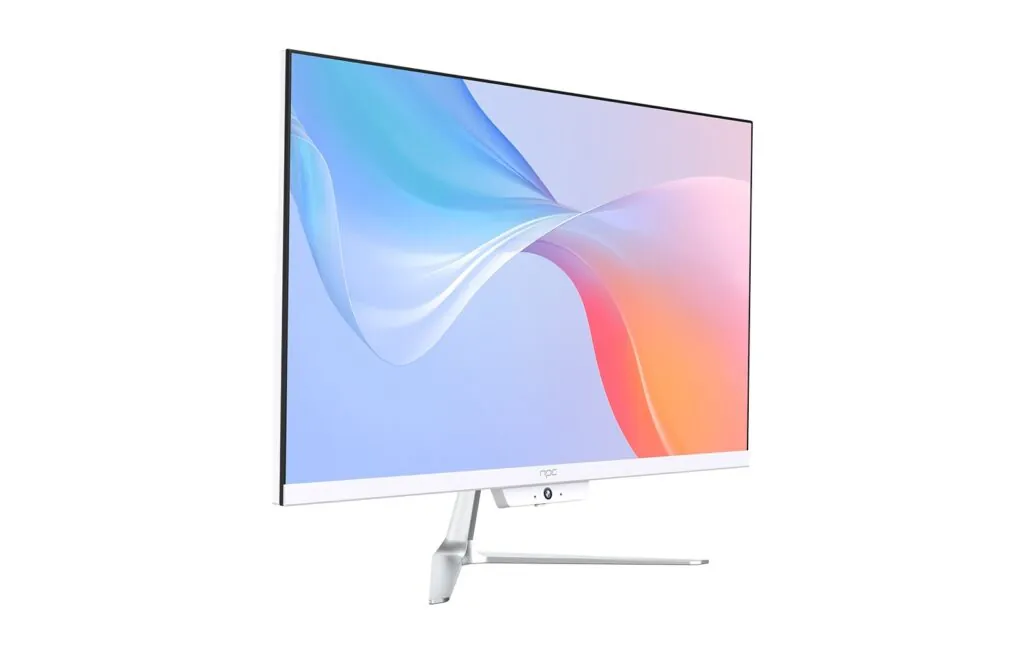
Navigating all-in-one desktop computer deals demands an understanding of how component selection impacts everyday commercial tasks. Low upfront sticker prices often hide compromises like fixed single-channel memory or low-tier storage interfaces. Evaluating processing power, system memory, drive interfaces, and panel specifications allows organizations to select hardware that remains productive across years of heavy service.
Processor Classes: Balancing Power Consumption and Thermal Limits
Central processing units dictate how effectively a system executes computational tasks, renders multimedia, and manages background processes. Integrated desktop designs house processors directly behind screen assemblies, making thermal design power (TDP) a crucial operational factor. System builders deploy distinct chip classes depending on intended deployment profiles.
Energy-efficient U-series processors operate within 15W envelopes, minimizing acoustic fan output and power draw across basic reception areas. For intensive multitasking, H-series mobile and desktop processors like the Intel Core i5-12450H or AMD Ryzen 5 6600H draw up to 45W, offering multi-core performance for data modeling and content creation. Sourcing processors with adequate cooling headroom avoids thermal throttling during continuous business workloads.
Memory Architecture: Multitasking Headroom and Expansion Paths
System memory directly governs how many business applications can run concurrently without slowdowns. A baseline configuration of 16GB DDR4 memory operating at 3200MHz provides smooth multitasking across modern browser sessions, database tools, and unified communication platforms. Restricting a modern operating system to 8GB often leads to memory caching, degrading workplace productivity.
Upgradeability represents another critical dimension of total device value. Budget machines sometimes solder RAM chips directly to the system board, locking the device into its initial configuration forever. Models equipped with dual SO-DIMM slots allow memory expansion up to 64GB, prolonging system utility as enterprise software suites demand greater hardware resources over time.
Solid-State Storage: Drive Interfaces and Data Transfer Speeds
Storage hardware governs system boot sequences, local file transfers, and application loading times. Modern integrated systems rely on compact M.2 2280 form factor solid-state drives installed across internal bus lanes. A standard capacity of 512 GB balances operating system requirements with local file storage needs, while optional 1 TB tiers support data-heavy commercial roles.
The underlying transfer protocol fundamentally alters operational throughput. Standard SATA interfaces cap transmission speeds around 500 to 600 megabytes per second, whereas PCIe 3.0 x4 channels transmit data significantly faster. Selecting PCIe NVMe storage delivers responsive software launching and rapid file indexing, ensuring high-speed data access throughout administrative workdays.
Integrated Display Panels: Resolution, Dimensions, and Refresh Rates
Display specifications define visual comfort and direct usability throughout long working hours. Compact 23.8-inch screens paired with Full HD (1920×1080) resolution deliver sharp pixel density suited for cubicles and service counters. Larger 27-inch formats provide expansive screen space, with selected models stepping up to 2560×1440 resolution for detailed graphic design and spreadsheet analysis.
Panel refresh rates also influence visual ergonomics during continuous screen interaction. While legacy office displays operated at 60 Hz, contemporary baseline models utilize smooth 100 Hz panels to reduce visual fatigue during rapid scrolling. Specialized performance models scale to 120Hz refresh rates, delivering fluid motion rendering that reduces ghosting across dynamic software environments.
Evaluating Balanced Hardware for Long-Term Return on Investment
Evaluating all-in-one desktop computer deals involves calculating total cost of ownership rather than chasing the lowest initial purchase price. Pairing a capable multi-core processor with expandable dual-channel memory, responsive PCIe storage, and an ergonomic display creates an efficient workstation that avoids early obsolescence. Balanced component integration ensures smooth workflows across residential, institutional, and enterprise workspaces.
Hardware specialist NPC manufactures versatile all-in-one desktop computers designed for commercial office deployment, education, and home entertainment. Spanning 23.8-inch and 27-inch configurations, NPC systems integrate high-performance Intel Core and AMD Ryzen processors, M.2 solid-state storage, expandable DDR4 memory up to 64GB, and smooth 100 Hz to 120Hz Full HD displays.
Backed by certified production facilities and flexible OEM/ODM capabilities, they deliver dependable integrated computing solutions tailored to global wholesale specifications.
Wholesale buyers and IT distributors evaluating competitive all-in-one desktop computer deals can contact NPC to request comprehensive specification sheets, review customization options, and discuss volume procurement pricing.