
Heavy liquid fuels present unique fluid dynamic challenges during high-temperature combustion processes across industrial manufacturing sites. Operating efficiency relies heavily on how well fuel pumps shear thick fluids into microscopic droplets before ignition.
Temperature drops drastically alter internal fluid resistance, threatening stable flame propagation across heavy industrial boilers. Understanding these rheological properties prevents incomplete combustion and carbon accumulation inside the refractory furnace chamber.
Molecular Flow Resistance and Fluid Thickness Dynamics
Kinematic viscosity dictates how sluggishly liquid hydrocarbons flow through fine distribution piping networks. Cold ambient conditions thicken heavy distillates, elevating internal friction and choking volumetric delivery rates. Career Burner engineering teams analyze these fluid behaviors to optimize internal fuel line dimensions.
Elevated resistance inside supply headers forces pumps to work harder, generating unwanted pressure ripples. Unchecked fluid thickening causes severe fuel starvation at the nozzle tip during startup sequences. Monitoring fluid temperature prevents sudden viscosity spikes from destabilizing the primary reaction zone.
Molecular friction coefficients rise exponentially when heavy oils remain unconditioned prior to injection. Industrial operators must track fluid resistance metrics to prevent chronic pump cavitation issues. Proper fluid characterization ensures consistent flow behavior across extended production shifts.
Metallic pipe wall friction increases dramatically when cold fuel moves through tight manifold bends. Plant technicians install tracing insulation to maintain baseline fluid temperatures during outdoor transfer phases. Mitigating flow resistance protects downstream valves from excessive mechanical fatigue.
Droplet Size Distribution and Spray Cone Geometry
Mechanical atomization relies on high-pressure shearing to shatter continuous liquid streams into ultra-fine droplets. Thickened fluids resist this aerodynamic breakup, producing oversized droplets that evaporate sluggishly inside hot combustion zones. Operational performance degrades rapidly when spray cone angles narrow unexpectedly due to high resistance.
Large droplets require extended residence times to achieve complete thermal conversion before reaching furnace walls. Incomplete burnout leaves heavy soot deposits, fouling heat transfer surfaces and lowering overall thermal efficiency. Upgraded equipment, such as a precision diesel oil burner, manages these variations effectively.
Spray angle distortion creates localized fuel-rich pockets that trigger high-frequency acoustic rumbling. Maintaining low viscosity ensures uniform droplet dispersion across the entire primary reaction envelope. Consistent spray geometry protects internal refractory linings from uneven thermal stress.
Droplet momentum increases significantly with higher fluid thickness, altering penetration depths inside the combustion core. Uncontrolled momentum pushes burning droplets against cold heat exchangers, causing quenching and elevated emissions. Precise atomization control eliminates these structural risks completely.
Preheating Strategies for Viscosity Stabilization
Continuous conditioning remains the most effective method for normalizing heavy fuel thickness prior to injection. Electric inline heaters elevate incoming feedstock temperatures until kinematic properties match optimal equipment design specs. Maintaining strict temperature control ensures constant fluid behavior regardless of seasonal weather shifts.
Unregulated thermal inputs risk overheating sensitive distillates, causing vapor lock and erratic fuel delivery pulses. Career Burner incorporates intelligent thermal regulation modules to stabilize fluid conditions seamlessly. Precise preheating protects downstream components and guarantees reliable atomization across varying production cycles.
Accurate thermostat calibration prevents oil coking inside narrow preheater tubes during extended standby intervals. Plant engineers monitor thermal transfer rates continuously to maintain optimal fluid atomization consistency. Reliable heat management eliminates viscosity-related ignition failures in heavy industrial environments.
Advanced heating loops utilize proportional controllers to adjust thermal output based on incoming fluid viscosity readings. Integrating automatic temperature interlocks prevents fuel injection when thermal thresholds fall outside safe limits. Consistent preheating safeguards the entire thermal asset from unexpected operational interruptions.
Nozzle Pressure Drops and Atomization Efficiency
High viscosity creates excessive pressure drops across fine-mesh strainers and tiny nozzle orifices. Restricted flow rates starve the combustion head, triggering emergency safety shutdowns during high-capacity firing demands. Technicians must calibrate relief valves continuously to offset sudden pressure fluctuations caused by cold feedstock.
Selecting an efficient quiet oil burner helps mitigate high-pressure manifold stress during cold starts. Advanced internal valving maintains stable operating parameters even when processing heavy industrial fuel fractions. Maintaining optimal nozzle pressure ensures complete atomization and uniform thermal release throughout the chamber.
Pressure differential monitoring across atomization tips reveals early signs of internal nozzle clogging. Regular strainer maintenance prevents particulate accumulation from compounding high-viscosity flow restrictions. Stable manifold pressure remains critical for sustaining continuous, pulsation-free thermal output.
Nozzle tip erosion accelerates when high-pressure pumps force viscous fluids through restrictive orifices. Routine inspections catch wear patterns before spray patterns distort beyond acceptable manufacturer tolerances. Maintaining clean orifice geometries preserves high atomization efficiency over thousands of operating hours.
Selecting Engineered Combustion Equipment for Variable Viscosity
Modern industrial installations require specialized hardware capable of handling wide viscosity swings without manual recalibration. Engineering teams prioritize robust pump assemblies and corrosion-resistant nozzle tips to withstand heavy thermal cycling. Upgrading legacy systems transforms erratic heating units into reliable, high-efficiency thermal assets.
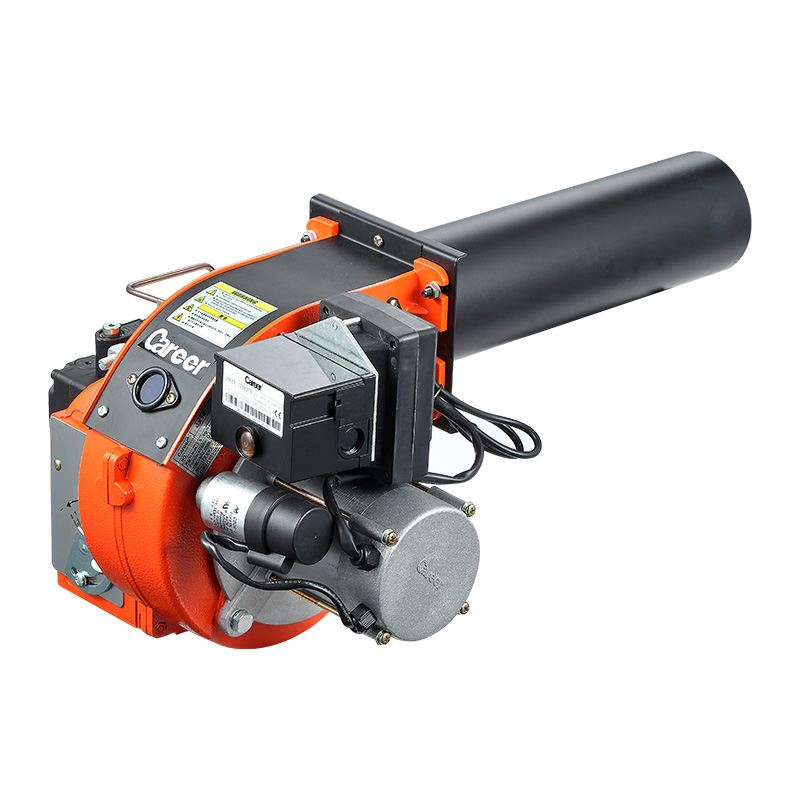
Deploying a sophisticated diesel oil burner guarantees optimal fuel-air mixing under fluctuating supply conditions. Career Burner supplies advanced units like the CX14 series to deliver precise atomization performance. Operating modern equipment ensures long-term environmental compliance and maximum energy savings across demanding manufacturing facilities.
Facilities transitioning to alternative fuel grades must evaluate pump capacity and preheater sizing thoroughly before installation. Proper engineering alignment prevents chronic combustion failures and protects expensive refractory linings from thermal shock. Integrating a reliable quiet oil burner completes the modernization process safely.
Comprehensive staff training programs empower operators to recognize early warning signs of fuel delivery degradation. Maintenance protocols should include routine viscosity testing to verify feedstock conformity against equipment specifications. Investing in resilient hardware guarantees uninterrupted thermal production across all industrial operating cycles.