
Purchasing equipment for electric vehicle power supply involves careful assessment of various technical and practical requirements. Homeowners should evaluate their specific needs regarding speed, safety, and system integration to ensure they acquire reliable residential EV charging stations. By focusing on these elements, they can manage their energy consumption effectively while maintaining the convenience of overnight charging.
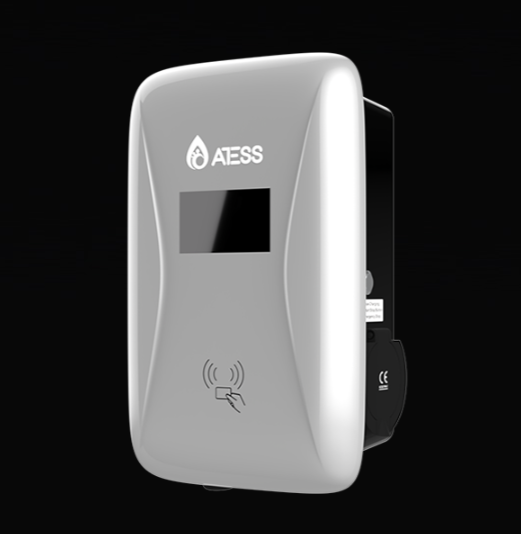
Evaluating Charging Capacity and Speed
The power output of a charger, measured in kilowatts, directly impacts how quickly a vehicle battery replenishes. Many residential ev charging stations offer power ranges between 7kW and 22kW, which are suitable for most private driveways or garages. It is necessary to match the charger’s output with the vehicle’s onboard charging capacity to avoid unnecessary expenditure. As an experienced provider, Atess ensures its units support varying power needs, helping users find an efficient balance between charging time and local electrical infrastructure limits.
Safety Features and Environmental Durability
Safety remains a critical priority for any home electrical installation. High-quality hardware should include protections against over-current, over-voltage, leakage, and over-temperature scenarios. Furthermore, because these devices are often mounted outside, the unit must possess a high ingress protection rating to withstand diverse weather conditions. For instance, the residential charging station models engineered by Atess are designed to be dust-proof and water-resistant, allowing for secure outdoor installation. Selecting equipment with robust, flame-retardant materials provides peace of mind for daily operation.
Smart Connectivity and Future-Proofing
Modern chargers frequently incorporate smart technology to improve the user experience. Features such as Wi-Fi or 4G connectivity allow owners to monitor their status via mobile applications, track energy usage, and even schedule sessions during off-peak hours to manage electricity costs. When investing in a residential charging station, it is also wise to consider future needs, such as the potential for adding a second vehicle or integrating with solar energy systems. A well-designed infrastructure provides the flexibility to adapt to changing household requirements, ensuring the chosen solution remains relevant and functional over the long term.
A successful installation relies on matching the right hardware to individual driving habits and site-specific conditions. By prioritizing safety, power compatibility, and smart energy management, homeowners can establish a dependable charging routine that supports their transition to electric mobility.