
In contemporary dermatology clinics, specialized laser centers, and plastic surgery hospitals, permanent hair reduction remains one of the most frequently requested therapeutic procedures by patients seeking long-term aesthetic solutions. Clinical directors and equipment procurement specialists constantly evaluate the underlying physics and technical configurations of optical devices to ensure they deliver reliable, safe, and efficient clinical outcomes.
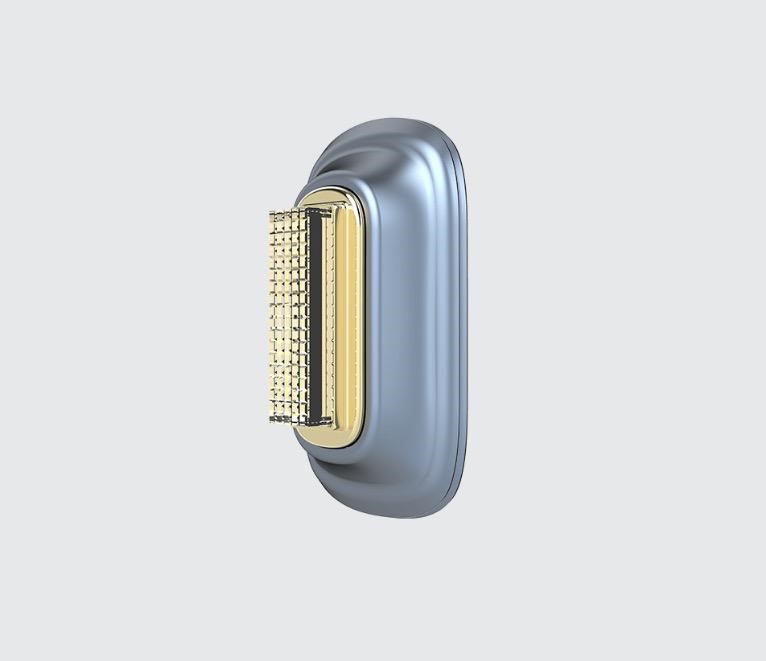
Understanding the exact operational mechanics of light-based systems is essential for medical aesthetic equipment distributors and clinic owners who want to invest in high-performance hardware that satisfies discerning practitioners, meets rigorous safety standards, and ensures robust return on investment.
Understanding the Core Physics of Intense Pulsed Light
To comprehend how these sophisticated devices operate, one must examine the fundamental principle of selective photothermolysis adapted specifically for polychromatic light sources. When evaluating equipment options during procurement, clinical operators and facility managers frequently ask: How does an advanced IPL hair removal machine selectively target hair follicles while leaving the surrounding epidermal tissue completely unharmed?
The IPL hair removal machine differs from traditional single-wavelength lasers that emit a coherent, monochromatic beam of light at a fixed frequency; Intense Pulsed Light (IPL) systems generate a broad spectrum of polychromatic light typically ranging from 500 nanometers to 1200 nanometers. This broad optical output is delivered through high-intensity flashes managed by advanced capacitor banks and durable xenon flashlamps engineered for extended operational lifespans and consistent output stability. When the light pulse strikes the skin surface, the multi-wavelength energy is preferentially absorbed by the dark melanin pigment residing within the active hair shaft and follicular matrix.
As the light energy is absorbed, it rapidly converts into thermal energy, conducting downward into deep follicular structures, including the bulge region and the dermal papilla. This precise thermal elevation coagulates the micro-vessels supplying the follicle and deactivates the generative stem cells responsible for subsequent hair regrowth, all without causing thermal ablation to the outer skin layer.
To achieve these advanced therapeutic outcomes, leading industry innovators such as ENZOEYS engineer highly adaptable multi-band systems. Holding more than 100 core patents and having secured its Class II Medical Device Production License in 2025, the company supplies high-performance medical aesthetic devices to Europe, Southeast Asia, East Asia, and Belt and Road regions while actively partnering with Japanese and South Korean enterprises.
By establishing an integrated industrial base with independent supply chains, strict quality control protocols, and a digital after-sales service platform, ENZOEYS provides reliable support to plastic surgery hospitals, dermatology clinics, laser clinics, and professional equipment distributors worldwide.
Wavelength Filtration and Hair Growth Phases
Hair growth naturally occurs in distinct cycles—anagen, catagen, and telogen—dengan permanent reduction only achievable when follicles are treated during the active anagen growth phase where pigment concentration is highest. Because different body areas feature varying hair depths and melanin distributions, professional systems rely heavily on interchangeable optical cutoff filters to isolate specific spectral bands.
Shorter wavelengths are absorbed more aggressively by superficial melanin, whereas longer infrared wavelengths penetrate deeper into subcutaneous tissue to reach coarse, deep-seated terminal hair follicles. Procurement specialists often inquire during clinical evaluations: How do customizable multi-band filters enhance treatment efficacy across diverse Fitzpatrick skin types without causing adverse thermal trauma?
By swapping specialized cut-off filters—such as 640nm or 690nm chips—practitioners tailor the emission spectrum to match the patient’s specific skin pigmentation and hair density, ensuring optimal energy absorption while minimizing unnecessary thermal diffusion.
Furthermore, advanced system architectures incorporate intelligent pulse configurations. By splitting a single high-energy pulse into multiple sub-pulses with preset thermal relaxation delays, the device allows the epidermis adequate time to cool between energy bursts. This sophisticated pulse sequencing protects sensitive skin types from excessive heat accumulation, making high-frequency hair reduction procedures both safer and significantly more comfortable for patients undergoing extensive clinical sessions.
Real-World Application Scenarios in Busy Clinics
Examining real-world clinical workflows illustrates how thoughtful equipment design translates into daily operational success. Consider a busy dermatology clinic managing a full schedule of hair reduction appointments throughout the week.
In a typical morning session, a practitioner evaluates a patient seeking permanent hair reduction on the lower limbs and back. The clinician selects a high-stability optical system, attaches an appropriate cutoff filter, and sets the repetition rate to a steady frequency. Because the hardware maintains stable energy density across consecutive flashes without power decay, the operator executes uniform, overlapping passes across the treatment area efficiently.
To ensure optimal recovery and manage patient expectations, clinical teams provide structured post-care guidance. For instance, practitioners instruct patients to avoid hot baths, saunas, and intense sun exposure during the initial 48-hour recovery window. Additionally, using gentle, fragrance-free moisturizers helps soothe the treated skin barrier. This combination of reliable equipment performance and clear clinical protocols allows clinics to maintain high patient satisfaction, encourage client referrals, and sustain steady operational throughput.
Engineering Stability and B2B Selection Criteria
When medical aesthetic equipment distributors and clinic directors select an IPL skin rejuvenation machine or hair reduction platform, they place heavy emphasis on engineering durability and cooling efficiency. Continuous sapphire contact cooling maintains low applicator tip temperatures throughout long operating hours, protecting the epidermis and ensuring patient comfort.
Additionally, a well-built IPL skin rejuvenation machine features robust water-cooling reservoirs and stable power management systems that prevent thermal shutdowns during high-load clinic schedules, ensuring continuous reliability. Furthermore, digital after-sales platforms and accessible replacement parts supply chains provide crucial operational reassurance for clinic managers, ensuring minimal downtime and seamless technical assistance whenever maintenance is required.
Conclusion and Strategic Considerations
Investing in high-performance optical equipment requires balancing technical specifications, clinical versatility, and manufacturing credibility. By understanding how advanced light-based systems utilize selective photothermolysis, precise wavelength filtration, and stable pulse sequencing, healthcare providers can elevate their clinical standards, satisfy discerning clients, and ensure long-term success in a competitive medical aesthetic market.